

Cultural perspectives on gambling How traditions shape betting behaviors
The Historical Roots of Gambling
Gambling has a long and varied history across cultures, often intertwined with societal values and traditions. In ancient civilizations, such as the Chinese and Romans, gambling served not just as a pastime but also as a form of social and economic interaction. Dice games and betting on chariot races were popular, reflecting a community’s shared investment in risk and chance. These activities often had a ceremonial aspect, reinforcing social bonds through collective participation. Today, exploring the best cash out betting sites can enhance your understanding of this ever-evolving landscape.
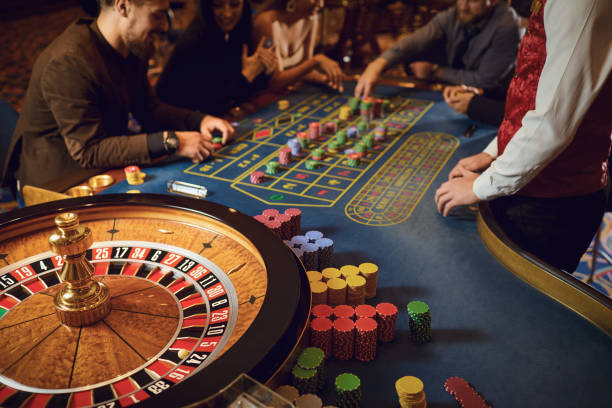
The impact of cultural beliefs on gambling practices is particularly notable. In many societies, gambling was linked to rituals or religious activities. For example, Native American tribes incorporated gambling into their ceremonies, viewing it as a way to connect with the spiritual world. These historical contexts shaped the modern perceptions of gambling, highlighting how traditions influence current betting behaviors, often dictating whether gambling is embraced or stigmatized.
Understanding the historical roots of gambling allows us to see how traditions continue to inform current practices. Societies that historically viewed gambling as acceptable often maintain these views, while others that have demonized it still wrestle with stigma. This nuanced understanding is crucial for recognizing the varied responses to gambling across cultures today.
The Role of Social Norms in Betting Behaviors
Social norms significantly influence how different cultures approach gambling. In some cultures, betting is an integral part of social gatherings, celebrated during holidays or major events, like sporting matches. For instance, in parts of Europe, betting on football is not merely a hobby but a community ritual that brings friends and family together. These norms often create a supportive environment for gambling, where the act itself fosters communal bonds.
Conversely, in cultures that view gambling as a vice, social pressures discourage participation. For example, in certain Asian cultures, gambling may be frowned upon, leading to a disconnect between personal enjoyment and societal expectations. This dynamic often results in secretive or clandestine betting behaviors, as individuals seek to balance their desires with the fear of social judgment. Such contrasting attitudes demonstrate how deeply ingrained social norms can shape individual choices in gambling.
Moreover, the acceptance or rejection of gambling is often linked to economic factors and social status. In societies where wealth is concentrated, gambling might be seen as a pastime for the affluent. In contrast, in economically disadvantaged communities, it can be viewed as a desperate means to achieve financial stability. These distinctions underline how social norms and economic realities intersect to influence gambling behaviors.
Gambling as a Reflection of Cultural Identity
In many cultures, gambling is more than just a game; it is a reflection of cultural identity. For instance, in Las Vegas, the culture of gambling is celebrated through extravagant casinos and vibrant nightlife, showcasing the American ethos of risk-taking and the pursuit of dreams. This not only attracts tourists but also reinforces a sense of pride and identity among locals who see the gambling industry as part of their cultural landscape.
Similarly, cultural festivals often incorporate gambling, further solidifying its role in communal identity. In Spain, for instance, the national lottery is celebrated during Christmas, where the collective anticipation and excitement bring people together. Such events not only highlight the joys of chance but also reinforce a shared cultural heritage, creating a bond among participants. This perspective emphasizes how gambling can become a vehicle for expressing and preserving cultural values.
Moreover, the portrayal of gambling in media and literature also influences its perception within a culture. Romanticized depictions of gambling in films can glamorize risky behavior, attracting interest from younger generations. This dynamic highlights the ongoing conversation about gambling and its role in shaping cultural identity, as well as its influence on future generations’ attitudes towards betting.
Legal Frameworks and Their Cultural Implications
The legal landscape surrounding gambling is often a reflection of cultural values and societal norms. Countries like the United Kingdom have established robust regulatory frameworks for gambling, viewing it as a legitimate form of entertainment, while also acknowledging the potential for harm. In contrast, nations that prohibit gambling often do so based on cultural or religious beliefs that prioritize social conservatism and moral values.
These legal frameworks can either support or stifle gambling behaviors within a culture. For instance, in countries where gambling is legalized and regulated, such as Canada and Australia, it often becomes a socially accepted activity, complete with consumer protections and responsible gambling measures. This regulatory approach can mitigate negative consequences while promoting a healthy gambling environment that aligns with cultural attitudes towards risk and chance.
In contrast, in regions where gambling is illegal or heavily restricted, individuals may turn to underground markets, leading to unregulated and potentially dangerous betting practices. The divergence in legal frameworks demonstrates how deeply intertwined cultural attitudes and laws can shape gambling behaviors, influencing how individuals engage with betting in their everyday lives.

Exploring Modern Gambling Trends Through Cultural Lenses
As the landscape of gambling continues to evolve, emerging technologies and trends are reshaping cultural perceptions and behaviors. Online gambling, for example, has introduced a new level of accessibility, allowing individuals from various cultural backgrounds to participate in betting activities. This shift raises questions about how traditional views on gambling adapt in the face of digitalization, potentially leading to more inclusive practices.
Moreover, the rise of sports betting, particularly in light of recent legalization efforts in various regions, reflects a cultural shift towards normalization. This trend encourages discussions about responsible gambling, as well as the integration of betting into mainstream sports culture. The societal acceptance of sports betting indicates a changing landscape where traditions are evolving to accommodate new forms of engagement with risk and chance.
Ultimately, the relationship between gambling and culture is dynamic and multifaceted. As societies continue to navigate the complexities of gambling, it is essential to consider how cultural perspectives shape behaviors and attitudes. By understanding these cultural influences, individuals and policymakers alike can foster healthier and more informed gambling environments that respect traditions while embracing modern trends.